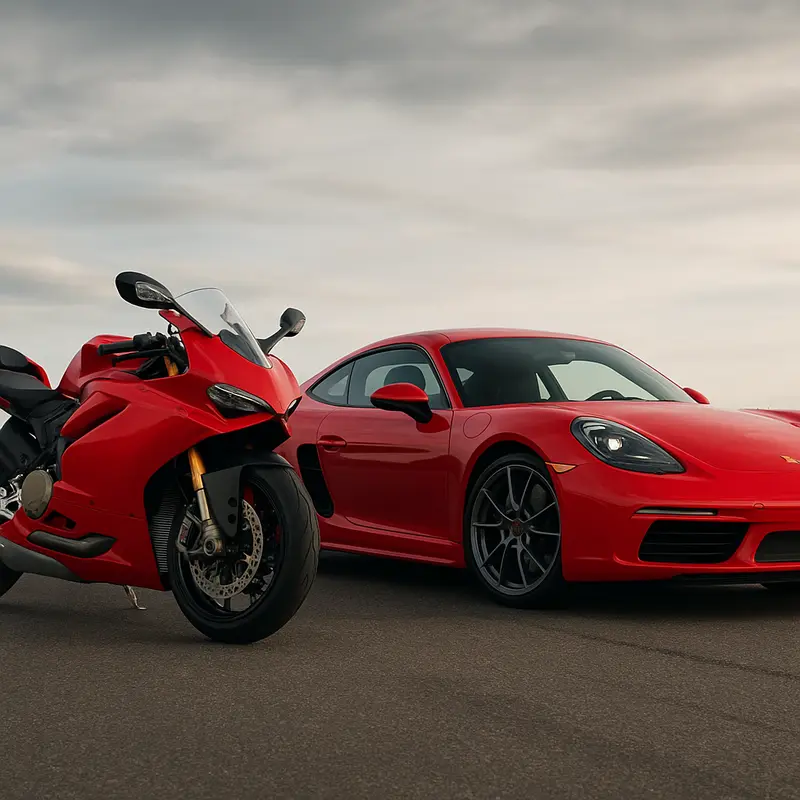
Cars vs Motorcycles: When Gasoline Gets Jealous
Short answer: gasoline is usually gasoline — but not always. If you're swapping pumps between a car and a bike, read the tiny print (and don't panic).
What’s the big difference? Most modern cars and motorcycles use unleaded petrol, but engines differ in compression ratio, tuning, fuel-system materials, and — for some bikes — the need for oil mixed into the fuel.
Octane matters: Higher-compression sportbikes often ask for higher-octane fuel (to avoid knock). Using higher-octane than required is generally harmless; using lower-octane can cause pinging, reduced power, or long-term damage if severe and persistent.
Two-stroke bikes: These are the drama queens of the fuel world. Their gas is premixed with oil. If you put 2‑stroke mix in a car, expect smoke, fouled spark plugs, and a very sad catalytic converter. If your bike needs premix, don’t put plain car gas with no oil.
Ethanol and compatibility: Many motorcycles and small engines are sensitive to high ethanol blends (E15/E85). Car manufacturers increasingly design to accept E10; many bike makers recommend sticking to E10 or ethanol-free where possible. Ethanol can swell seals, gum up carbs, and degrade fuel-system parts in older bikes.
Dangerous swaps to avoid: putting diesel into a petrol engine (or vice versa) is a recipe for towing and tears. Also avoid fuels with oil (two‑stroke mix) or additives not approved by the manufacturer.
Made a mistake? If you realize before starting the engine: don’t start it, push or tow to a shop and have the tank drained. If you drove a bit, you may need fuel system flushing, filter changes, and possibly inspection of catalytic converters or fuel pumps.
Modern mitigation: Many modern EFI cars and bikes have knock sensors and adaptive engines that cope with octane variation, but adaptation has limits — manufacturer recommendations still win.
Industry snapshot: fuel formulation and labeling differ globally (RON vs AKI octane ratings), ethanol policy varies by region, and the push to electrify will gradually reduce these fuel compatibility headaches. Meanwhile, manufacturers keep publishing fuel guidance in owner manuals — your best source of truth.
Bottom line: use the octane and fuel type your vehicle’s manual specifies, avoid premixed two‑stroke fuel in four‑stroke engines, and be cautious with high-ethanol blends on motorcycles. When in doubt: park it, read the manual, and maybe call a tow — cheaper than a new catalytic converter.
Drive safe, fill smart, and may your fuel be the right kind of drama-free.